California About to Become 5th State to Outlaw Online Sweepstakes Casinos
The Senate's modifications to AB 831, a bill that would outlaw online sweepstakes casinos because they mimic real-money gambling, were unanimously approved by the California State Assembly on Friday. This puts the Golden State in a position to become one of four states that forbid them.
Without a floor debate, the Assembly passed the Senate's modifications 63–0. After three committee assessments and a September 3 amendment that clarified protections for specific promotional sweepstakes operators, the Senate enacted the bill 36-0 on September 8, 2025.
Gov. Gavin Newsom has 30 days to approve or veto the bill, which was written by Assemblymember Avelino Valencia. The bill will automatically become law on January 1, 2026, if he does nothing.
Misdemeanor crimes under AB 831 carry fines of up to $25,000, a year in county jail, or both. Additionally, the bill only imposes liability on third-party organizations that knowingly and deliberately assist illicit sweepstakes activities, including as payment processors, geolocation providers, content suppliers, and media affiliates.
The Count Thus far, four states have passed laws that forbid internet sweepstakes:
- Connecticut: SB 1235, effective October 1, 2025
- Montana: SB 555, effective October 1, 2025
- Nevada: SB 256, effective June 6, 2025
- New Jersey: AB 5447, effective August 14, 2025
Earlier this year, legislative attempts to pass comparable prohibitions in Louisiana and Maryland were unsuccessful. SB 181 passed both chambers in Louisiana, but Governor Jeff Landry vetoed it. Before the Maryland session was adjourned, the bill died in committee.
On June 12, 2025, S5935/A6745 was enacted in New York and delivered to Governor Kathy Hochul on June 18, initiating a 10-day window for executive action. Hochul's inactivity, however, resulted in a pocket veto since the legislature adjourned before the deadline closed on June 20.
Online sweepstakes are prohibited by regulatory enforcement in the following five states:
- Delaware: On April 7, 2025, the Delaware Division of Gaming Enforcement issued a cease-and-desist order to VGW Luckyland, effectively prohibiting all online sweepstakes casinos
- Idaho: Regulatory ban prohibits prize redemptions
- Michigan: Cease-and-desist orders enforced 2023-2025
- New York: Attorney general enforcement (cease-and-desists to 26 operators in June)
- Washington: Longstanding regulatory ban on sweepstakes contests of chance
The Debate
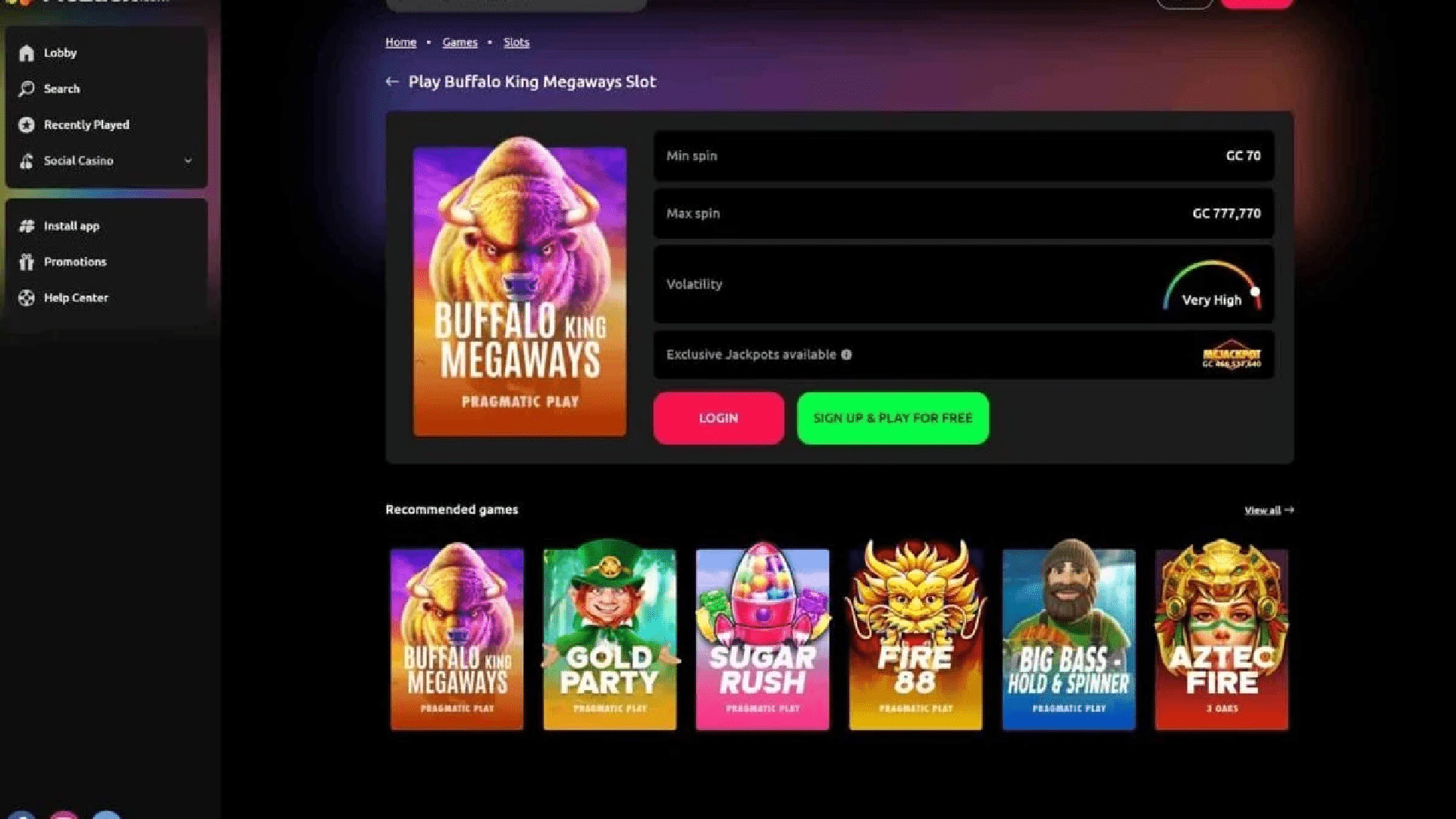
Online sweepstakes casinos run free-to-play competitions that they describe as sociable. Operators compare their platforms to retail promotions, like freebies or discount codes, because winning doesn't need a purchase.
However, detractors claim that because these sites use two virtual currencies, they amount to unregulated internet gambling. "Sweeps coins," which can be bought and used to play casino-style games like slots and blackjack, are the most contentious.
Sweeps coins can be exchanged for cash wins on a number of sites, making it difficult to distinguish between gambling and amusement.
Blowback
The Social Gaming Leadership Alliance (SGLA) denounced AB 831 as soon as it was passed. In a statement, executive director Jeff Duncan cautioned that the law may exacerbate economic inequality among tribal nations, hinder digital innovation, and deplete the state's economy by $1 billion.
Duncan encouraged Governor Newsom to endorse online social gaming as a means of tribal economic development rather than veto the bill.
SGLA was opposed by four tribes in Northern California that had little to no gambling operations:
- Kletsel Dehe Wintun Nation
- Sherwood Valley Rancheria of Pomo Indians
- Mechoopda Indian Tribe of Chico Rancheria
- Big Lagoon Rancheria
However, there is nearly unanimous support for AB 831 throughout California's Indian Country. This covers the thirteen member tribes of the Tribal Alliance of Sovereign Indian Nations.
If the bill is approved, it will significantly alter California's stance on online gaming and have the potential to change the national dialogue on digital sweepstakes platforms, tribal sovereignty, and the future of regulated entertainment.